Web applications
Multi-user products with accounts, orders, balances and an admin side. Money paths are written first and tested hardest.
CAPABILITIES
Nothing on this page is aspirational. Every language is one we work in, every kind of project is one we have delivered, and the process below is the one you get.
Multi-user products with accounts, orders, balances and an admin side. Money paths are written first and tested hardest.
Fast, hand-built pages with a real content model behind them rather than a page builder.
Payment gateways, crypto settlement, third-party APIs, webhooks. Signed, verified, and never trusting the caller.
Scheduled jobs that watch a system and report when something drifts: pricing, stock, indexing, uptime.
Structured data, sitemaps, internal linking, llms.txt, and measurement of what AI assistants actually send back.
Design systems, typography, canvas and WebGL work, all measured against performance and accessibility budgets before handover.
Client work is described by sector, never by name. The showcase pieces are our own.
 Capability showcase
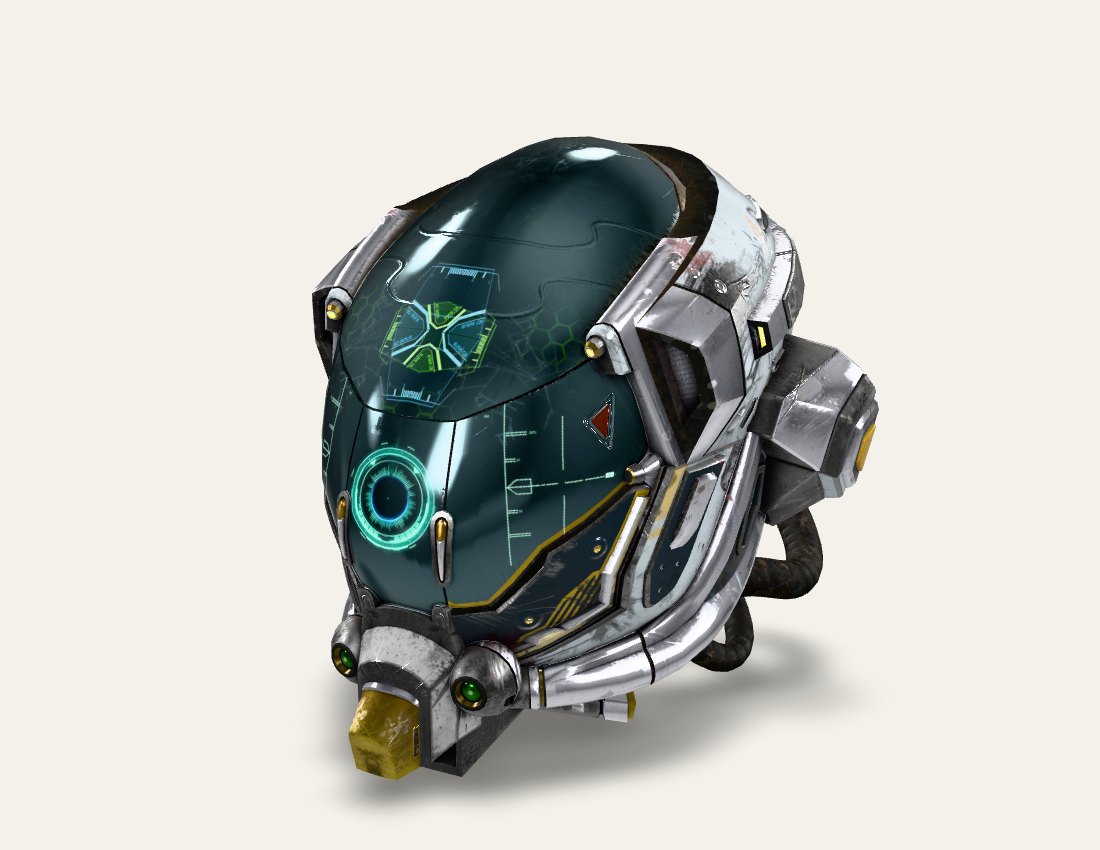
Fifteen real-time 3D scenes
WebGL / glTF / GLB / model-viewer / HDRI lighting
Capability showcase
Fifteen real-time 3D scenes
WebGL / glTF / GLB / model-viewer / HDRI lighting
 Capability showcase
Six experiments in motion and shader work
WebGL2 / Three.js / GSAP / Custom shaders
Capability showcase
Six experiments in motion and shader work
WebGL2 / Three.js / GSAP / Custom shaders
A failing test comes first, then the smallest change that passes it. This site was built that way and ships with its own suite.
Pages are opened headless at phone and desktop widths and measured for overflow, contrast and touch targets. Not eyeballed in a preview pane.
If we did not measure it, the field stays empty. No invented percentages, no rounded-up case study numbers.
A payment callback is a nudge, never proof. Status comes from our own signed query against the provider.